Names for Japanese Chin dogs inspired by short (2–4) name length
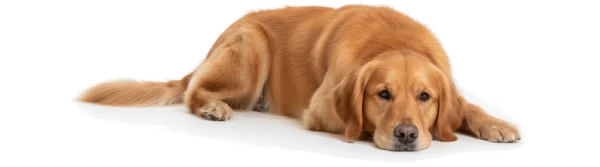
Once you adopt one of these dogs, you're in for a great experience. The Japanese Chin is a small, elegant companion dog from Japan, known for its charming personality and silky coat. Playful, affectionate, and intelligent, it thrives in companionship and indoor living. For this reason their name deserves to be as special as they are.
We've carefully selected these names based on your chosen preferences. Don't rush browsing these options; the ideal name will feel just right when you come across it.
About name length: Tiny names deliver a lot of personality into very few letters — short, sharp, and impossible to miss. Short names with very few letters are snappy to call out and dogs listen to them faster — great for recall.
Dive into our comprehensive dog universe, where you'll find 89 creative naming ideas.

Japanese Chin
| Temperament | Affectionate, Sociable, Playful, Intelligent |
| Size | Tiny |
| Primary Function | Companion |
| Color | White, Patterned |
| Energy Level | Moderate |
| Coat Type | Long |
- Name length: Short (2–4)
Dami
Korean name element, often chosen for Hanja meanings like 'to give' (多 'Da', 'many' and 美 'Mi', 'beauty').Koko
A simple, catchy, repetitive name used for a playful pet. In Korean, it's a simple affectionate sound.Faye
Derived from the Middle English word 'faie', meaning 'fairy'. Implies magic and ethereal beauty.Aria
In Korean, it often comes from similar-sounding syllables (e.g., Ah-ri-ah). In Western culture, it means 'air' or 'song' (Italian).Emi
Japanese name, commonly meaning 'blessing, beautiful' ($E$) and 'picture, drawing' ($mi$) or 'smile' (depending on the kanji).Gigi
French and Italian diminutive of longer names like Georgine or Luigina. Often associated with sophistication and playfulness.Gema
Spanish and Italian word meaning '''gem''' or '''jewel'''. Derived from Latin 'gemma'.Inès
French form of Inés, the Spanish and Portuguese form of Agnes, derived from the Greek 'hagnos' meaning 'chaste, holy'.Pi
The sixteenth letter of the Greek alphabet. Famously represents the mathematical constant 'pi' (approx. 3.14159), the ratio of a circle's circumference to its diameter.Miyu
Japanese name meaning 'beautiful' ($Mi$) and 'gentle, tender' ($Yu$).Oat
English word for the cereal grain. Derived from Old English 'āte'.Fia
Irish name, sometimes linked to the word for 'wild' or 'deer'. A modern favorite, it is also a short form of the Italian name Fiamma, meaning 'flame'.Nabi
Native Korean word meaning 'butterfly'. A popular name for graceful, smaller pets, especially cats.Siún
Irish form of Joan, meaning 'God is gracious'. (Identical to Siobhan, but with accent for native Irish spelling)Hana
Japanese name meaning 'flower'. Also a Slavic and Czech form of Hannah (Hebrew 'grace').Sisi
A simple, cute, repetitive syllable, sometimes associated with royalty (e.g., Empress Elisabeth of Austria was nicknamed Sisi).Mimi
A common 'cute' repetitive syllable name used worldwide, often associated with a light, playful character. In Korean, it's a simple, short, affectionate name.Eun
Korean name element, meaning 'silver' (銀) or 'kindness, mercy' (恩).Ziti
Italian word for 'bridegrooms' and refers to a tubular type of pasta. A humorous and unique food name.Uva
Spanish word meaning 'grape'. Derived from the Latin 'uva'.
Frequently Asked Questions
How do I choose if I adopt two dogs at the same time?
Try names that complement one another but sound unique. Avoid similar sounding pairs like 'Milo' or 'Luna', as this will likely muddle the animals during call-backs.
Is it true that short names help training?
Indeed! Animal behaviorists have shown that shorter names with crisp initial letters get better responses from pets. For example, Max, Rex, or Kit are great choices.
How many letters should a brief pet name have?
Generally, short pet names have two to four letters and one or two syllables. This length is known to be very effective for training, because pets register short calls best.
Is it common to call a Japanese Chin after its physical traits?
Absolutely! Many Japanese Chin families draw naming cues from their dog's markings. For example, Shadow, Rusty, or Snowball are timeless appearance-based choices.
Customize your dog names search

Need cat names too? Try our generator.